
Roadmap Wealth Management
Table of Contents
Introduction
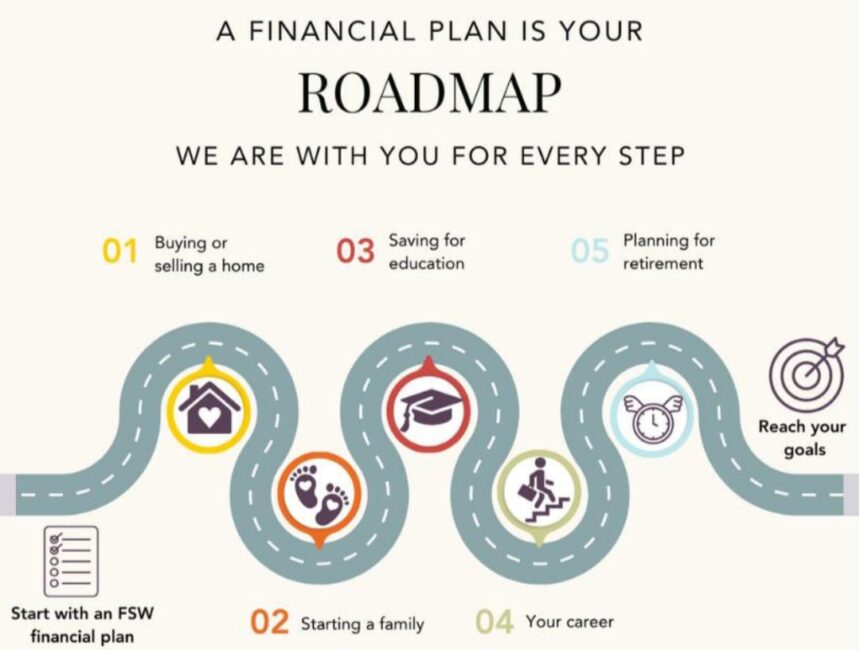
Managing money becomes much easier when you have a clear plan. Many people earn a good income but still struggle to build wealth because they don’t know what to do next. A roadmap wealth management plan helps you organize your finances step by step so you can make smarter decisions with confidence.
Whether you’re a student, a working professional, or someone just starting your financial journey, having a roadmap can help you save more, invest wisely, and prepare for the future. You don’t need to be rich to begin wealth management. What matters most is starting early and staying consistent.
In this guide, you’ll learn how to create a simple wealth management roadmap, set realistic financial goals, manage risks, and build long-term financial security.
What Is a Roadmap Wealth Management Plan?
A roadmap wealth management plan is a step-by-step strategy for managing your money and growing your wealth over time. Instead of making random financial decisions, you follow a structured plan based on your goals and current financial situation.
A good wealth management roadmap usually includes:
- Understanding your financial position
- Setting short-term and long-term goals
- Creating a monthly budget
- Building an emergency fund
- Paying off high-interest debt
- Investing for future growth
- Protecting your money with insurance
- Reviewing your progress regularly
Following these steps makes it easier to stay on track and avoid costly financial mistakes.
Why Is a Wealth Management Roadmap Important?
A clear roadmap wealth management plan gives your money a purpose. Instead of wondering where your income goes every month, you know exactly how much to save, spend, invest, and protect. This helps you make better financial decisions and stay focused on your long-term goals.
Here are some of the biggest benefits of having a wealth management roadmap:
- Helps you achieve your financial goals faster.
- Reduces unnecessary spending and improves budgeting.
- Encourages regular saving and investing.
- Prepares you for unexpected expenses with an emergency fund.
- Helps reduce debt in a planned way.
- Builds long-term wealth through consistent investing.
- Gives you confidence and peace of mind about your financial future.
Whether your goal is buying a home, starting a business, planning for retirement, or becoming financially independent, a well-planned wealth management roadmap helps you reach those milestones step by step.
Step 1: Understand Your Current Financial Situation
The first step in creating a roadmap wealth management plan is knowing where you stand financially. Before you can grow your wealth, you need a clear picture of your income, expenses, savings, debts, and investments.
Ask yourself these questions:
- How much money do I earn every month?
- What are my monthly expenses?
- How much do I currently have in savings?
- Do I have any loans or credit card debt?
- Have I started investing yet?
Write down all this information in a notebook or spreadsheet. Seeing your finances in one place makes it easier to identify areas where you can save more or reduce unnecessary spending.
At this stage, don’t worry if your finances aren’t perfect. The purpose is to understand your starting point so you can build a realistic wealth management plan for the future.
Step 2: Set Clear Financial Goals
Once you understand your current financial situation, the next step in your roadmap wealth management plan is to set clear financial goals. Goals give your money a direction and help you stay motivated.
It’s helpful to divide your goals into three categories:
- Short-Term Goals (Within 1 Year)
- Build an emergency fund.
- Pay off a credit card.
- Save for a vacation or a new gadget.
- Medium-Term Goals (1–5 Years)
- Buy a car.
- Save for higher education.
- Start a small business.
- Make a down payment on a house.
- Long-Term Goals (5+ Years)
- Build a retirement fund.
- Become financially independent.
- Create long-term wealth through investing.
- Save for your children’s education.
Make your goals specific and realistic. For example, instead of saying, “I want to save money,” say, “I want to save ₹1,00,000 in the next 12 months.”
Having clear goals makes your wealth management roadmap more focused and helps you measure your progress over time.
Step 3: Create a Monthly Budget
A monthly budget is one of the most important parts of a roadmap wealth management plan. It helps you control your spending, increase your savings, and make sure your money is being used wisely.
Start by listing your monthly income and all your expenses. Divide your expenses into two categories:
- Essential Expenses
- Rent or home loan
- Groceries
- Electricity and utility bills
- Transportation
- Insurance
- School or college fees
- Non-Essential Expenses
- Online shopping
- Eating out
- Entertainment subscriptions
- Impulse purchases
- Luxury items
After tracking your spending, look for areas where you can cut unnecessary expenses and redirect that money toward your savings or investments.
A simple budgeting method many beginners follow is the 50/30/20 rule:
- 50% for essential needs
- 30% for wants
- 20% for savings and investments
Remember, your budget doesn’t have to be perfect. The goal is to spend less than you earn and consistently save money. Over time, this habit becomes the foundation of a successful wealth management plan.
Step 4: Build an Emergency Fund
An emergency fund is a key part of every roadmap wealth management plan. Life is unpredictable, and unexpected expenses such as medical emergencies, car repairs, or job loss can happen at any time. Having emergency savings helps you handle these situations without relying on loans or credit cards.
A good goal is to save enough money to cover 3 to 6 months of your essential living expenses. If that feels overwhelming, start small. Even saving a fixed amount every month can make a big difference over time.
Here are a few tips to build your emergency fund:
- Set aside a portion of your income every month.
- Keep the money in a separate savings account for easy access.
- Use it only for genuine emergencies.
- Refill the fund after you use it.
Think of your emergency fund as a financial safety net. It protects your progress and keeps your wealth management roadmap on track, even when unexpected challenges arise.
Step 5: Pay Off High-Interest Debt
Paying off high-interest debt is an important step in your roadmap wealth management journey. If you keep paying high interest on loans or credit cards, it becomes harder to save and invest for the future.
Start by making a list of all your debts, including:
- Credit card balances
- Personal loans
- Payday loans
- Other high-interest borrowing
Focus on paying off the debt with the highest interest rate first while continuing to make the minimum payments on your other debts. This approach helps you save money on interest over time.
You can also improve your debt repayment by:
- Paying more than the minimum amount whenever possible.
- Avoiding new debt unless it is absolutely necessary.
- Using extra income, bonuses, or tax refunds to reduce your loan balance.
- Tracking your repayment progress each month.
Reducing debt gives you more financial freedom. Once your high-interest debt is under control, you can redirect that money toward saving and investing, helping your wealth management plan grow faster.
Step 6: Start Investing for Long-Term Growth
Saving money is important, but investing is what helps your wealth grow over time. A strong roadmap wealth management plan includes investing so your money has the opportunity to earn returns and keep up with inflation.
If you’re a beginner, start with investments that match your financial goals and risk tolerance. Some common investment options include:
- Mutual funds
- Index funds
- Stocks
- Fixed deposits
- Public Provident Fund (PPF)
- National Pension System (NPS)
Before investing, keep these tips in mind:
- Start investing as early as possible.
- Invest a fixed amount regularly instead of waiting for the “perfect” time.
- Diversify your investments instead of putting all your money in one place.
- Invest for the long term and avoid making decisions based on short-term market movements.
- Review your investment portfolio once or twice a year.
The earlier you begin investing, the more time your money has to grow through the power of compounding. Even small monthly investments can become a significant part of your wealth management roadmap over the years.
Step 7: Protect Your Wealth with Insurance
Building wealth is important, but protecting it is just as essential. A complete roadmap wealth management plan includes insurance to reduce the financial impact of unexpected events such as accidents, illnesses, or the loss of income.
The type of insurance you need depends on your stage of life, but some common options include:
- Health insurance
- Life insurance
- Vehicle insurance
- Home insurance
- Disability or income protection insurance (where available)
Here are a few tips before buying insurance:
- Choose coverage based on your actual needs, not just the lowest premium.
- Read the policy terms carefully.
- Compare different insurance providers before making a decision.
- Review your coverage regularly, especially after major life events like marriage or having children.
Insurance is not an investment to grow your money. Its main purpose is to protect your finances from unexpected risks. With the right protection in place, you can continue following your wealth management roadmap without major financial setbacks.
Step 8: Review and Update Your Wealth Management Plan Regularly
A roadmap wealth management plan is not something you create once and forget. Your income, expenses, financial goals, and personal circumstances will change over time, so it’s important to review your plan regularly.
Try to review your finances at least once every six to twelve months. During your review, ask yourself these questions:
- Am I meeting my savings goals?
- Has my income increased or decreased?
- Do I need to adjust my monthly budget?
- Is my investment portfolio performing as expected?
- Have my financial goals changed?
- Do I have enough emergency savings and insurance coverage?
If you notice that you’re falling behind, don’t get discouraged. Update your plan and make small improvements. Even minor changes can have a big impact over the long term.
Regular reviews help you stay focused, adapt to life’s changes, and keep your wealth management roadmap aligned with your financial goals. Consistency is one of the biggest factors in building long-term wealth.
Common Mistakes to Avoid in Wealth Management
Even the best roadmap wealth management plan can fail if you make common financial mistakes. Being aware of these mistakes can help you protect your money and stay on track toward your goals.
Here are some mistakes to avoid:
- Not having clear financial goals: Without goals, it’s difficult to create an effective financial plan.
- Living beyond your means: Spending more than you earn makes it harder to save and invest.
- Ignoring an emergency fund: Unexpected expenses can force you into debt if you don’t have savings.
- Delaying investments: Waiting too long means missing out on the benefits of long-term compounding.
- Putting all your money in one investment: Diversifying your investments helps reduce risk.
- Taking on unnecessary debt: High-interest debt can slow your wealth-building journey.
- Skipping regular financial reviews: Your financial plan should grow and change as your life changes.
Avoiding these mistakes can make your wealth management plan stronger and increase your chances of achieving long-term financial success.
Frequently Asked Questions (FAQs)
- What is a roadmap wealth management plan?
A roadmap wealth management plan is a step-by-step strategy for managing your money. It helps you budget, save, invest, reduce debt, and achieve your short-term and long-term financial goals.
- Who should use a wealth management roadmap?
Anyone can benefit from a wealth management roadmap, including students, young professionals, families, business owners, and retirees. It’s useful for anyone who wants to improve their financial future.
- How often should I review my wealth management plan?
It’s a good idea to review your plan every 6 to 12 months or whenever you experience a major life change, such as a new job, marriage, or the birth of a child.
- Do I need a financial advisor to create a wealth management plan?
No. Many beginners can create a simple wealth management plan on their own by setting goals, following a budget, building an emergency fund, and investing regularly. As your finances become more complex, you may choose to consult a financial advisor.
- What is the first step in wealth management?
The first step is understanding your current financial situation. Calculate your income, expenses, savings, debts, and investments before setting financial goals and creating a plan.
Conclusion
A well-planned roadmap wealth management strategy can help you take control of your finances and build long-term wealth. You don’t need a high income to get started—small, consistent actions can make a big difference over time.
Start by understanding your finances, setting clear goals, creating a budget, building an emergency fund, paying off high-interest debt, investing regularly, protecting your wealth with insurance, and reviewing your progress every year.
Remember, wealth is built through patience, discipline, and consistency—not by chasing quick profits. By following this simple roadmap, you can create a stronger financial future and move closer to achieving your personal and financial goals.