
Table of Contents
Introduction
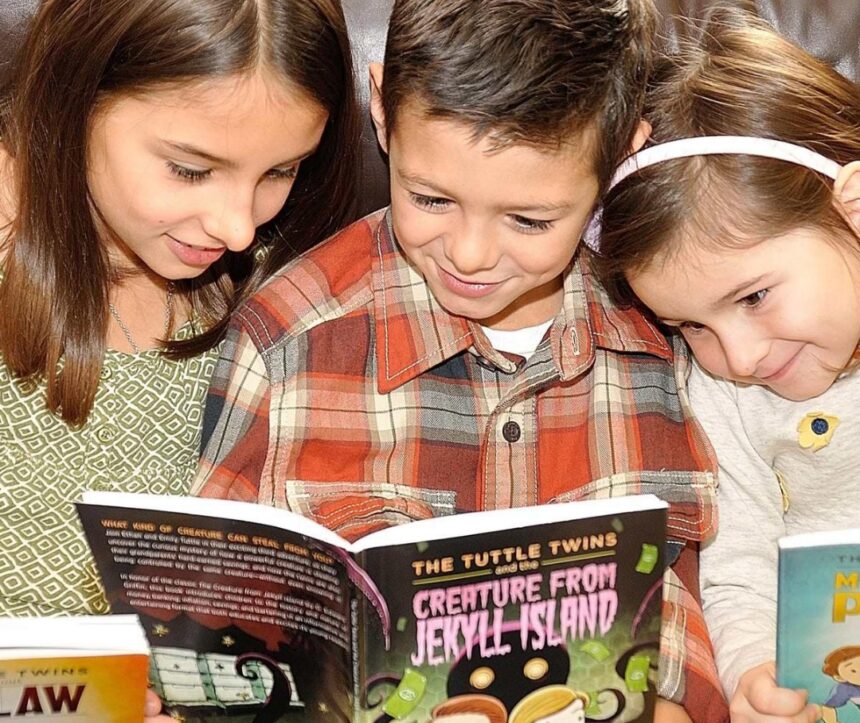
Teaching children about money from an early age is one of the greatest gifts parents and educators can provide. When kids learn how to save, spend wisely, and understand the value of money, they develop habits that can benefit them throughout their lives.
One of the easiest and most enjoyable ways to introduce these concepts is through financial education books for kids. These books explain money management using simple language, engaging stories, colorful illustrations, and real-life examples that children can easily understand.
Whether you’re a parent, teacher, or guardian, choosing the right financial literacy book can help children develop confidence in managing money and making responsible financial decisions.
In this guide, you’ll discover some of the best financial education books for kids, learn what makes a great money book, and understand how these books can help children build lifelong financial skills.
Why Should Kids Learn About Money Early?
Teaching children about money at a young age helps them develop healthy financial habits that can last a lifetime. Reading financial education books for kids makes learning fun and helps children understand money through simple stories and practical examples.
Here are some benefits of introducing financial education early:
- Builds Good Saving Habits
Children learn that saving a small amount regularly can help them achieve bigger goals in the future.
- Teaches Responsible Spending
Kids begin to understand the difference between needs and wants, helping them make smarter spending decisions.
- Develops Financial Confidence
Learning how money works gives children the confidence to make responsible financial choices as they grow older.
- Encourages Goal Setting
Financial education teaches children how to save for toys, books, bicycles, or other things they want by setting realistic savings goals.
- Introduces Basic Financial Concepts
Children can learn simple ideas such as budgeting, earning, saving, sharing, and investing in an age-appropriate way.
- Improves Decision-Making Skills
Money lessons encourage children to think carefully before spending and understand the consequences of their financial choices.
- Prepares Them for Adult Life
Developing financial literacy early makes it easier for children to manage money responsibly as teenagers and adults.
Reading financial education books for kids helps children build a strong foundation for lifelong financial success while making learning enjoyable and engaging.
15 Best Financial Education Books for Kids
Here are some of the best financial education books for kids that teach saving, budgeting, earning, generosity, and smart money habits in a fun and engaging way.
- Money Ninja by Mary Nhin
A fun story that teaches children the importance of earning, saving, and making wise financial decisions.
- The Berenstain Bears’ Trouble with Money by Stan Berenstain and Jan Berenstain
A classic children’s book that explains the value of hard work, saving, and responsible spending.
- Rock, Brock, and the Savings Shock by Sheila Bair
An entertaining story that helps children understand why saving money is important.
- A Chair for My Mother by Vera B. Williams
Teaches children about saving money together to achieve a meaningful family goal.
- If You Made a Million by David M. Schwartz
Explains money, earning, saving, and large numbers in a fun and easy-to-understand way.
- Lemonade in Winter by Emily Jenkins
Introduces young readers to entrepreneurship, budgeting, and running a small business.
- One Cent, Two Cents, Old Cent, New Cent by Bonnie Worth
A playful introduction to coins, currency, and the basics of money.
- Alexander, Who Used to Be Rich Last Sunday by Judith Viorst
Shows how quickly money can disappear when it’s spent without a plan.
Explains how money moves through the economy using simple examples.
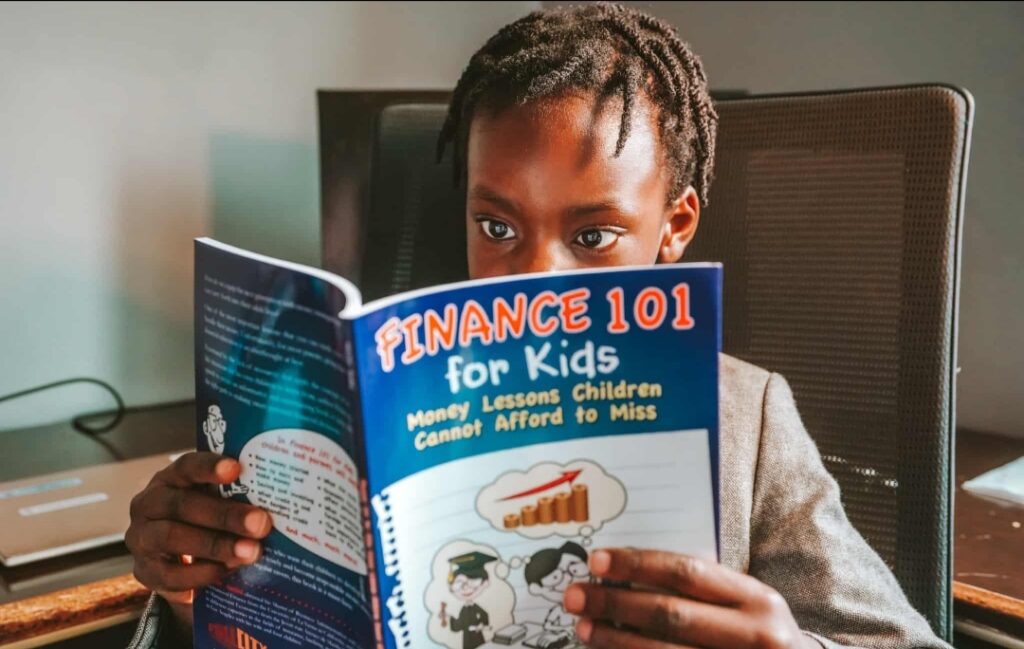
- Finance 101 for Kids by Walter Andal
A beginner-friendly guide that introduces budgeting, saving, earning, and investing in language children can understand.
- The Everything Kids’ Money Book by Brette Sember
This interactive book teaches children about earning, saving, spending, investing, and budgeting through fun activities and quizzes.
- Money Plan by Monica Eaton
A practical guide that introduces children to financial planning, saving, and responsible money management.
- Kid Start-Up by Mark Cuban, Shaan Patel and Ian McCue
A great book for children interested in entrepreneurship, business ideas, problem-solving, and earning money.
- What Is Money? by Kelly Lee
Introduces young readers to the basics of money, saving, spending, and financial responsibility using simple language.
- Raising Financially Fit Kids by Joline Godfrey
Although written for parents, this book provides practical strategies to teach children healthy money habits from an early age.
These financial education books for kids cover different age groups and financial topics, making it easier for parents and teachers to choose the right book for every child.
How to Choose the Best Financial Education Book for Kids
Not every financial education books for kids option is suitable for every age group. Choosing the right book helps children stay interested and understand financial concepts more easily.
- Choose Age-Appropriate Books
Select books that match your child’s reading level and ability to understand money concepts.
- Look for Simple Language
The best books explain financial topics using clear words, engaging stories, and relatable examples.
- Pick Books with Practical Lessons
Choose books that teach useful skills such as saving, budgeting, earning, spending wisely, and setting financial goals.
- Look for Interactive Activities
Books with quizzes, games, worksheets, or discussion questions make learning more enjoyable and memorable.
- Encourage Regular Reading
Reading one financial book every few weeks can gradually improve a child’s financial knowledge and confidence.
Choosing the right financial education books for kids helps children build strong money habits while making financial learning enjoyable and easy to understand.
Benefits of Reading Financial Education Books for Kids
Reading financial education books for kids helps children develop practical money skills that can benefit them throughout their lives. The lessons they learn today can shape their financial habits as teenagers and adults.
- Builds Strong Saving Habits
Children learn the importance of saving regularly instead of spending all their money immediately.
- Encourages Smart Spending
Money books teach children to think before making purchases and understand the difference between needs and wants.
- Improves Financial Confidence
Understanding basic money concepts helps children feel more comfortable making financial decisions as they grow older.
- Develops Goal-Setting Skills
Children learn how to save for toys, books, bicycles, or other personal goals by creating simple savings plans.
- Introduces Entrepreneurship
Some books encourage creativity, problem-solving, and small business ideas, helping children understand how money can be earned.
- Strengthens Decision-Making
Financial stories help children understand the consequences of spending, saving, borrowing, and sharing money responsibly.
- Creates Lifelong Financial Habits
One of the greatest benefits of reading financial education books for kids is developing positive financial behaviors that continue into adulthood.
By introducing children to financial education through engaging books, parents and teachers can help them build confidence, responsibility, and the skills needed for long-term financial success.
Frequently Asked Questions (FAQs)
- What are the best financial education books for kids?
Some of the best financial education books for kids include Money Ninja, The Berenstain Bears’ Trouble with Money, Rock, Brock, and the Savings Shock, Finance 101 for Kids, and The Everything Kids’ Money Book. These books teach money concepts in a simple and engaging way.
- At what age should children start learning about money?
Children can begin learning basic money concepts as early as 4–6 years old. As they grow older, they can gradually learn about budgeting, saving, earning, and investing.
- What should kids learn about money first?
Children should first understand:
- The value of money
- Saving regularly
- The difference between needs and wants
- Responsible spending
- Setting simple financial goals
- Are financial education books better than online videos?
Both can be helpful. Books often provide more detailed explanations and encourage reading, while educational videos can make learning more interactive. Using both together can provide a well-rounded learning experience.
- Can financial education help children in the future?
Yes. Learning about money at a young age helps children develop responsible financial habits, make better financial decisions, avoid common money mistakes, and prepare for adult financial responsibilities.
Conclusion
Reading financial education books for kids is an excellent way to teach children important life skills in a fun and engaging way. These books help children understand saving, budgeting, earning, spending wisely, and making responsible financial decisions from an early age.
Whether you’re a parent, teacher, or guardian, choosing age-appropriate financial books can give children a strong foundation for lifelong financial success. Start with simple books, encourage regular reading, and discuss the lessons together to help children apply what they learn in everyday life.
The earlier children begin learning about money, the more confident and financially responsible they can become as they grow.