

Table of Contents
Introduction
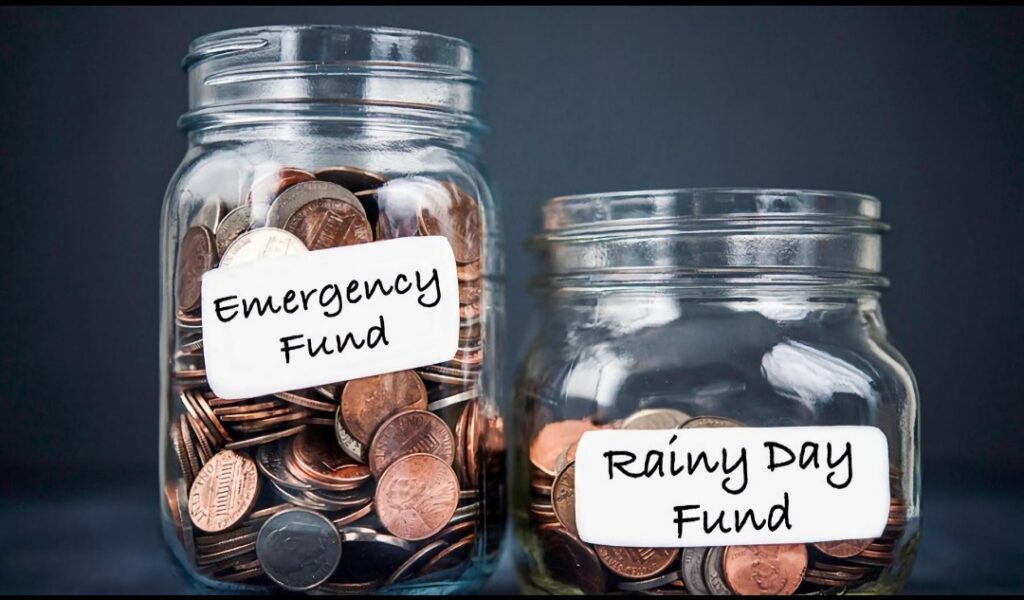
Many people use the terms rainy day fund and emergency fund interchangeably, but they are not the same. Understanding the difference can help you save money more effectively and prepare for both small surprises and major financial emergencies.
In this guide, you’ll learn the difference between a rainy day fund vs emergency fund, when to use each one, and how much you should save.
What Is a Rainy Day Fund?
A rainy day fund is money set aside for small, unexpected expenses that don’t disrupt your monthly budget.
Examples include:
- Car repairs
- Home maintenance
- Replacing a broken phone
- Minor medical expenses
- Unexpected travel costs
A rainy day fund helps you cover these costs without using your credit card or dipping into your long-term savings.
What Is an Emergency Fund?
An emergency fund is money saved for major financial emergencies that could affect your income or financial stability.
Examples include:
- Losing your job
- Major medical emergencies
- Family emergencies
- Long-term loss of income
- Essential living expenses during difficult times
Financial experts generally recommend saving 3–6 months of essential living expenses in an emergency fund.
Rainy Day Fund vs Emergency Fund
Rainy Day Fund| Emergency Fund
Covers small unexpected expenses| Covers major financial emergencies
Usually ₹10,000–₹50,000 (depending on your needs)| Usually 3–6 months of living expenses
Used more frequently| Used only in serious situations
Helps avoid small financial stress| Protects your long-term financial security
Which One Should You Build First?
Ideally, you should build both.
Start with a rainy day fund because it helps you manage everyday unexpected expenses. Once you have enough saved, begin building your emergency fund for larger financial challenges.
Benefits of Having Both Funds
- Reduces financial stress
- Prevents unnecessary debt
- Protects your savings
- Helps you stay on track with financial goals
- Gives peace of mind during uncertain times
Tips to Build Your Savings
- Create a Monthly Budget
Track your income and expenses to find opportunities to save.
- Save Consistently
Even small monthly contributions can grow into a strong financial cushion.
- Keep Separate Accounts
Having different accounts for each fund makes it easier to avoid spending the money unnecessarily.
- Review Your Savings Regularly
Increase your savings whenever your income grows.
Common Mistakes to Avoid
- Using emergency savings for shopping or vacations.
- Keeping no savings for unexpected expenses.
- Stopping your savings after reaching a small goal.
- Mixing daily spending money with emergency savings.
Frequently Asked Questions
1. Can I have both a rainy day fund and an emergency fund?
Yes. A rainy day fund covers small unexpected expenses, while an emergency fund is for major financial emergencies.
2. How much should I save in a rainy day fund?
The amount depends on your lifestyle, but many people aim for enough to cover common unexpected expenses.
3. Where should I keep these funds?
A high-interest savings account or another easily accessible account is a good option so you can access the money when needed.
Conclusion
Understanding the difference between a rainy day fund vs emergency fund helps you prepare for both everyday surprises and major financial emergencies. Building both funds can improve your financial security, reduce stress, and help you avoid unnecessary debt. Start saving today, even if it’s a small amount, and grow your financial confidence over time.
Understanding the rainy day fund vs emergency fund helps you decide where to save money for different financial situations. A rainy day fund is ideal for smaller, expected expenses, while an emergency fund is designed for major financial setbacks such as job loss or medical emergencies. Knowing the rainy day fund vs emergency fund difference helps you create a balanced savings strategy.
Review your rainy day fund vs emergency fund regularly to ensure both savings accounts match your current financial needs. As your income and responsibilities increase, continue contributing to each fund consistently. A well-planned rainy day fund vs emergency fund strategy provides greater financial stability, protects your long-term goals, and gives you peace of mind during unexpected situations.