

Table of Contents
Introduction
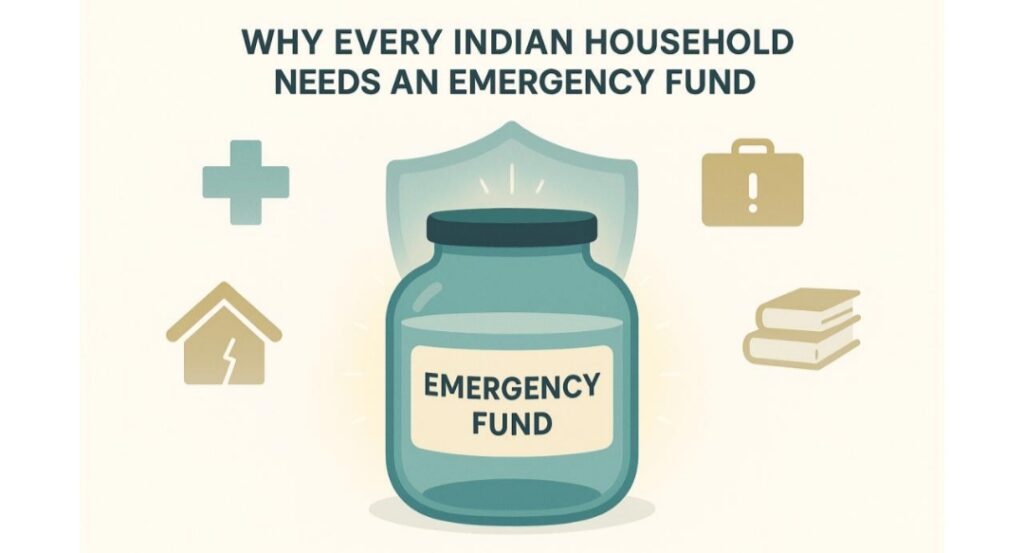
Unexpected expenses can happen at any time. A medical emergency, job loss, car repair, or urgent home maintenance can put pressure on your finances. That’s why emergency fund planning in India is one of the most important steps toward financial security.
In this guide, you’ll learn what an emergency fund is, how much you should save, where to keep your money, and practical tips to build your emergency fund.
What Is an Emergency Fund?
An emergency fund is money set aside specifically for unexpected financial emergencies. It helps you cover essential expenses without relying on loans or credit cards.
Common situations include:
- Job loss
- Medical emergencies
- Major home repairs
- Vehicle repairs
- Family emergencies
Why Is Emergency Fund Planning in India Important?
Having an emergency fund offers several benefits:
- Provides financial security during difficult times.
- Reduces dependence on personal loans or credit cards.
- Helps you manage unexpected expenses without stress.
- Protects your long-term savings and investments.
- Gives peace of mind for you and your family.
How Much Emergency Fund Should You Have?
A common rule is to save 3 to 6 months of your essential living expenses.
For example:
- Monthly expenses: ₹20,000
- Recommended emergency fund: ₹60,000–₹1,20,000
If you are self-employed or have an irregular income, consider saving 6 to 12 months of expenses.
How to Start Emergency Fund Planning in India
- Calculate Your Monthly Expenses
List essential expenses such as:
- Rent or home loan
- Groceries
- Electricity and utility bills
- School fees
- Insurance premiums
- Transportation
2. Set a Savings Goal
Decide how much you want to save and break it into monthly targets.
- Open a Separate Savings Account
Keep your emergency fund separate from your daily spending account to avoid unnecessary withdrawals.
- Save Every Month
Even saving ₹1,000–₹5,000 every month can help you build a strong emergency fund over time.
- Increase Savings When Your Income Grows
Whenever you receive a salary hike or bonus, consider adding a portion to your emergency fund.
Where Should You Keep Your Emergency Fund?
Your emergency fund should be easily accessible while remaining safe.
Good options include:
- Savings account
- Sweep-in fixed deposit
- Liquid mutual funds (for those who understand the risks and liquidity)
Avoid locking your emergency money into long-term investments that are difficult to access quickly.
Common Mistakes to Avoid
- Using emergency savings for shopping or vacations.
- Investing all emergency money in risky assets.
- Not reviewing your fund as your expenses increase.
- Waiting for a crisis before you start saving.
Frequently Asked Questions
1. Is an emergency fund different from regular savings?
Yes. Regular savings can be used for planned goals, while an emergency fund should only be used for unexpected financial emergencies.
2. Can students start an emergency fund?
Yes. Even students can build the habit by saving small amounts regularly.
3. How long does it take to build an emergency fund?
The timeline depends on your income and savings rate. Consistency matters more than saving a large amount at once.
Conclusion
Emergency fund planning in India is an essential part of personal finance. A dedicated emergency fund helps you handle unexpected situations without financial stress or debt. Start with a small monthly contribution, stay consistent, and gradually build a safety net that protects your future.
Emergency fund planning in India is one of the smartest financial habits for individuals and families. Saving a fixed amount every month helps create a financial cushion for unexpected expenses like medical bills, job loss, or urgent repairs. A dedicated emergency fund reduces financial stress and allows you to manage difficult situations without relying on loans or credit cards
Review your emergency fund planning in India regularly and increase your savings as your income and responsibilities grow. Keeping your emergency fund in a safe and easily accessible account ensures quick access during emergencies. Strong emergency fund planning in India provides financial security, supports long-term goals, and helps you face uncertain situations with greater confidence.