
Table of Contents
Future Goals for Students Examples
Introduction

Setting goals is one of the best habits students can develop. Goals give you a clear direction, keep you motivated, and help you make better decisions about your education, career, finances, and personal life.
Many students know they want a successful future but aren’t sure where to start. That’s why looking at future goals for students examples can be helpful. Real-life examples make it easier to understand what goals to set and how to achieve them step by step.
In this guide, you’ll discover different types of future goals for students, practical examples, and simple tips to create goals that are realistic, achievable, and meaningful.
What Are Future Goals for Students?
Future goals are the achievements or milestones that students want to accomplish over time. These goals help students stay focused, make better decisions, and work toward a successful future. They can be related to education, career, finances, health, personal development, or relationships.
Having clear goals also makes it easier to measure progress and stay motivated, even when challenges arise. Instead of studying or working without a purpose, students with goals know exactly what they are trying to achieve.
Some common areas where students set future goals include:
- Getting good grades in school or college.
- Learning new skills.
- Building confidence and communication skills.
- Saving money and developing good financial habits.
- Finding a good job or starting a business.
- Maintaining good physical and mental health.
- Becoming financially independent.
There is no single goal that fits everyone. The best future goals for students examples are those that match your interests, strengths, and long-term dreams. Setting realistic goals today can help you create a brighter and more successful future.
Why Is It Important for Students to Set Future Goals?
Setting goals gives students a clear sense of direction and purpose. Instead of making decisions randomly, they can focus on activities that help them move closer to their dreams. Looking at future goals for students examples can also inspire students to think about what they want to achieve in different areas of life.
Here are some benefits of setting future goals:
- Improves focus: Goals help you concentrate on what matters most.
- Increases motivation: Having a target encourages you to keep working, even when things become difficult.
- Builds confidence: Achieving small goals gives you the confidence to take on bigger challenges.
- Develops better habits: Goal setting encourages discipline, time management, and consistency.
- Supports better decision-making: It’s easier to choose the right opportunities when you know your long-term objectives.
- Prepares you for the future: Planning ahead helps you build the skills and experience needed for college, careers, and financial success.
Whether your dream is to become a doctor, engineer, entrepreneur, teacher, or artist, setting clear goals is the first step toward making that dream a reality.
25 Future Goals for Students Examples
Here are practical future goals for students examples that can help you plan for a successful future. You don’t need to achieve all of them at once—choose the ones that match your interests and priorities.
- Score Higher Grades
Set a target GPA or percentage and create a study schedule to achieve it.
- Improve Communication Skills
Practice public speaking, writing, and active listening to build confidence.
- Learn a New Skill
Take an online course or learn skills like coding, graphic design, video editing, or a new language.
- Read More Books
Aim to read one book every month to improve your knowledge and vocabulary.
- Build Good Money Habits
Learn budgeting, saving, and basic investing to become financially responsible.
- Save Money Regularly
Set a monthly savings goal, even if it’s a small amount.
- Stay Physically Healthy
Exercise regularly, eat nutritious food, and get enough sleep.
- Improve Mental Well-Being
Practice mindfulness, manage stress, and maintain a healthy work-life balance.
- Develop Leadership Skills
Join school clubs, volunteer, or lead group projects.
- Gain Practical Experience
Look for internships, freelance work, or volunteer opportunities to build real-world skills.
- Build a Strong Resume
Add certifications, projects, internships, and achievements to your resume.
- Plan Your Career
Research different career options and identify the qualifications needed to achieve your dream job.
- Become Financially Independent
Work toward earning your own income and managing your expenses responsibly.
- Improve Time Management
Use a planner or calendar to balance studies, hobbies, and personal life.
- Build a Positive Network
Connect with teachers, mentors, classmates, and professionals who can support your growth.
These future goals for students examples can serve as a starting point. The most important thing is to choose goals that are realistic, meaningful, and aligned with your long-term vision.
- Learn Digital Skills
Develop skills such as digital marketing, data analysis, graphic design, video editing, or basic coding. These skills can improve your career opportunities in the future.
- Improve English and Communication
Practice speaking, writing, and listening every day. Strong communication skills are valuable for higher education, interviews, and the workplace.
- Build Self-Confidence
Challenge yourself by participating in presentations, competitions, or extracurricular activities. Every small achievement helps build confidence.
- Create a Healthy Daily Routine
Maintain a balanced routine that includes studying, exercise, proper sleep, and relaxation. Good habits lead to better productivity.
- Start a Side Income
Explore beginner-friendly ways to earn money, such as freelancing, tutoring, selling digital products, or part-time online work.
- Prepare for Competitive Exams
If you plan to pursue higher education or government jobs, create a study plan and start preparing early.
- Learn Problem-Solving Skills
Practice analyzing situations, thinking critically, and finding practical solutions. These skills are valuable in both academics and professional life.
- Give Back to the Community
Volunteer for social causes, participate in community projects, or help others. This develops empathy, leadership, and teamwork.
- Continue Learning Throughout Life
Make learning a lifelong habit by reading books, taking online courses, attending workshops, and staying updated with new knowledge.
- Build a Successful and Balanced Life
Success isn’t only about money or career. Aim to build a life that includes good health, meaningful relationships, financial stability, and personal happiness.
These future goals for students examples show that success comes from improving different areas of life. Start with one or two goals, stay consistent, and gradually work toward achieving bigger dreams.
How to Set Future Goals as a Student
After exploring these future goals for students examples, the next step is creating goals that are realistic and achievable. A simple plan can help you stay focused and measure your progress.
- Identify Your Interests
Think about what you enjoy and what you want to achieve in the future. Your goals should match your passions and strengths.
- Write Down Your Goals
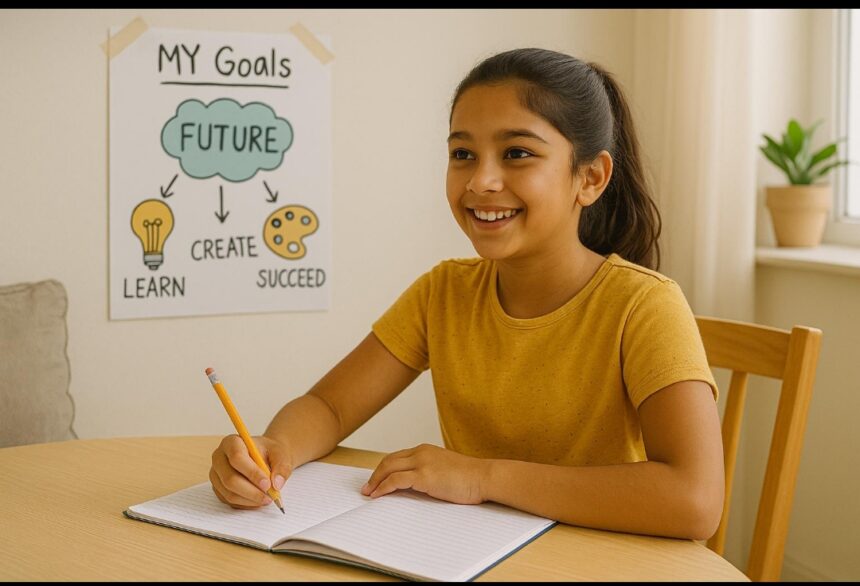
Instead of keeping goals in your mind, write them in a notebook or digital planner. Written goals are easier to track and review.
- Use the SMART Goal Method
Make sure your goals are:
- Specific – Clearly define what you want to achieve.
- Measurable – Track your progress.
- Achievable – Set realistic goals.
- Relevant – Choose goals that support your future plans.
- Time-bound – Give yourself a deadline.
- Break Big Goals into Small Steps
Large goals can feel overwhelming. Divide them into smaller tasks that you can complete each week or month.
- Track Your Progress
Review your goals regularly and celebrate small achievements. If something isn’t working, adjust your plan instead of giving up.
- Stay Consistent
Success doesn’t happen overnight. Taking small, consistent steps every day will help you achieve your long-term goals.
By following these simple strategies, you can turn your future goals for students examples into real achievements and build a successful future step by step.
Common Mistakes Students Should Avoid When Setting Goals
Setting goals is important, but making a few common mistakes can slow your progress. After learning about different future goals for students examples, it’s equally important to know what to avoid.
- Setting Unrealistic Goals
Choosing goals that are too difficult in a short period can lead to frustration. Start with realistic targets and gradually aim higher.
- Not Having a Clear Plan
A goal without a plan is just a wish. Break your goal into smaller steps and create a timeline to stay on track.
- Trying to Achieve Too Many Goals at Once
Focusing on too many goals can reduce your productivity. Prioritize the most important goals first.
- Giving Up After a Failure
Every student faces challenges and setbacks. Learn from your mistakes, make improvements, and keep moving forward.
- Ignoring Your Health
Studying hard is important, but don’t forget to take care of your physical and mental health. A healthy lifestyle helps you perform better.
- Comparing Yourself with Others
Everyone has a different journey. Focus on your own progress instead of comparing your achievements with classmates or friends.
- Not Reviewing Your Goals
Your priorities may change as you grow. Review your goals every few months and update them when needed.
Avoiding these mistakes will help you stay motivated and make steady progress toward achieving your future goals.
Frequently Asked Questions (FAQs)
- What are future goals for students?
Future goals for students are the achievements they want to accomplish in areas such as education, career, finances, health, and personal development. These goals provide direction and help students plan for a successful future.
- Why is goal setting important for students?
Goal setting helps students stay focused, manage their time better, improve motivation, and make smarter decisions about their studies and future careers.
- What are some examples of future goals for students?
Some common future goals for students examples include:
- Getting good grades
- Learning new skills
- Saving money
- Improving communication skills
- Building a successful career
- Staying healthy
- Becoming financially independent
- How can students achieve their future goals?
Students can achieve their goals by setting realistic targets, creating an action plan, staying consistent, tracking their progress, and learning from their mistakes.
- How often should students review their goals?
It’s a good idea to review your goals every 3 to 6 months. Regular reviews help you measure progress, stay motivated, and make changes if your priorities or circumstances change.
Conclusion
Having clear goals is one of the best ways to build a successful future. The future goals for students examples shared in this guide show that success is not just about getting good grades—it’s also about developing skills, managing money wisely, staying healthy, and continuously learning.
Remember, you don’t have to achieve everything at once. Start with a few realistic goals, take small steps every day, and stay consistent. Over time, these small efforts can lead to big achievements.
The future you dream of begins with the decisions you make today. Set meaningful goals, believe in yourself, and keep moving forward.