
Table of Contents
Life Planning Chart
Introduction
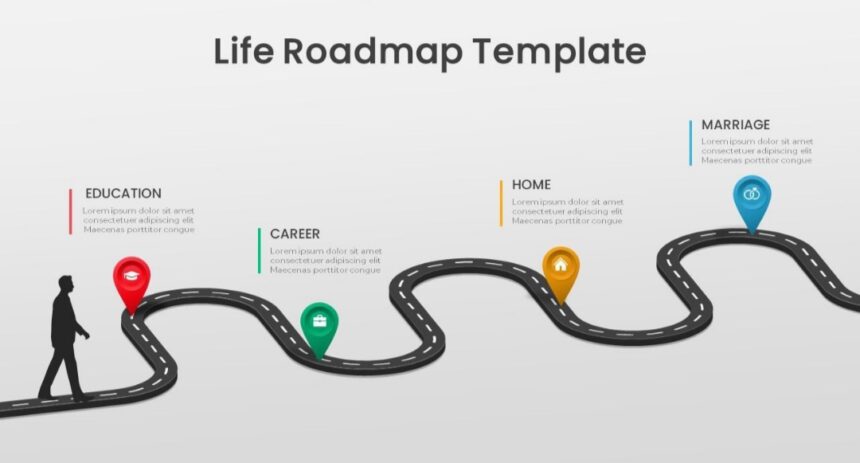
Planning your future doesn’t have to be complicated. A life planning chart is a simple tool that helps you organize your goals, stay focused, and track your progress over time. Instead of relying on memory or making random decisions, you can create a clear plan for different areas of your life.
Whether you’re a student, a working professional, or someone looking for better direction, a life planning chart can help you manage your education, career, finances, health, relationships, and personal growth in one place.
In this guide, you’ll learn what a life planning chart is, why it’s important, how to create one step by step, and see practical examples that you can use to plan your future more effectively.
What Is a Life Planning Chart?
A life planning chart is a simple visual tool that helps you organize your goals and create a clear plan for your future. Instead of keeping your goals only in your mind, you write them down in one place so you can track your progress and stay motivated.
A life planning chart can include goals for different areas of your life, such as:
- Education
- Career
- Personal development
- Financial goals
- Health and fitness
- Family and relationships
- Travel and hobbies
You can create your chart on paper, in a notebook, a spreadsheet, or a digital planning app. The format doesn’t matter as much as keeping it updated and reviewing it regularly.
Here’s a simple example of a life planning chart:
| Life Area | Goal | Target Date | Current Progress |
| Education | Complete a certification course | December 2026 | In Progress |
| Career | Get my first full-time job | June 2027 | Planning |
| Finance | Save ₹1,00,000 | December 2027 | 20% Completed |
| Health | Exercise 4 days a week | Ongoing | On Track |
| Personal Growth | Read 12 books this year | December 2026 | 5 Books Completed |
A well-designed life planning chart helps you stay organized, measure your achievements, and make better decisions as your priorities change over time.
Why Is a Life Planning Chart Important?
A life planning chart gives you a clear direction instead of leaving your future to chance. When your goals are written down, it’s easier to stay motivated, make better decisions, and track your progress over time.
Here are some of the biggest benefits of using a life planning chart:
- Provides clarity: You know exactly what you want to achieve in different areas of your life.
- Keeps you organized: All your important goals are in one place, making them easier to manage.
- Improves time management: You can prioritize tasks that move you closer to your goals.
- Increases motivation: Seeing your progress encourages you to keep going.
- Supports better decision-making: Your goals help you choose opportunities that align with your future plans.
- Reduces stress: Having a plan can make big goals feel more manageable by breaking them into smaller steps.
- Tracks your progress: Regular reviews help you see what’s working and where you need to improve.
Whether you’re planning your education, career, finances, or personal life, a life planning chart helps you stay focused and move toward your goals with confidence.
How to Create a Life Planning Chart
Creating a life planning chart is simple. You don’t need any special software or advanced planning skills. All you need is a clear understanding of your goals and a commitment to review them regularly.
Step 1: Identify the Important Areas of Your Life
Start by dividing your life into different categories, such as:
- Education
- Career
- Finances
- Health
- Personal Development
- Family and Relationships
- Hobbies and Travel
Step 2: Write Clear Goals
For each category, write one or more goals that you want to achieve. Make sure your goals are specific and realistic.
For example:
- Save ₹50,000 in one year.
- Complete a professional certification.
- Exercise four times a week.
- Read 12 books this year.
Step 3: Set a Target Date
Give every goal a deadline. A target date helps you stay accountable and motivates you to take action.
Step 4: Break Goals into Small Tasks
Large goals can seem overwhelming. Divide each goal into smaller monthly or weekly tasks so they’re easier to achieve.
Step 5: Track Your Progress
Review your life planning chart regularly and update your progress. Celebrate small achievements and make adjustments whenever your priorities or circumstances change.
A well-maintained life planning chart is not just a list of goals—it’s a practical roadmap that helps you build the future you want, one step at a time.
Example of a Life Planning Chart
To understand how a life planning chart works, let’s look at a simple example. You can create a similar chart in a notebook, spreadsheet, or digital planner and update it as you make progress.
| Life Area | Goal | Action Plan | Target Date | Status |
| Education | Complete a professional course | Study 1 hour daily | December 2026 | In Progress |
| Career | Get an internship | Improve skills and apply every week | June 2027 | Not Started |
| Finance | Save ₹1,00,000 | Save ₹8,500 every month | December 2027 | In Progress |
| Health | Exercise regularly | Work out 4 days a week | Ongoing | On Track |
| Personal Growth | Read 12 books | Read 1 book every month | December 2026 | 6 of 12 Completed |
| Relationships | Spend quality time with family | Family dinner every weekend | Ongoing | On Track |
| Travel | Visit one new destination | Save for travel expenses | June 2028 | Planning |
This is just an example. Your life planning chart should reflect your own goals and priorities. As your life changes, update your chart to include new goals or adjust existing ones. A flexible plan is easier to follow and keeps you motivated throughout your journey.
Tips to Make Your Life Planning Chart Successful
Creating a life planning chart is only the first step. To get the best results, you need to use it consistently and keep it updated. These simple tips can help you stay committed to your goals.
- Keep Your Goals Realistic
Set goals that are challenging but achievable. Unrealistic goals can lead to frustration and reduce motivation.
- Focus on Your Priorities
Don’t try to achieve everything at once. Identify the most important goals and work on them first.
- Review Your Chart Regularly
Check your progress every month or every few months. Update completed goals and make changes if your priorities change.
- Break Large Goals into Smaller Tasks
Big goals become easier when you divide them into small, manageable steps that you can complete each week or month.
- Celebrate Small Achievements
Every milestone is a sign of progress. Celebrating small wins helps you stay motivated and build confidence.
- Stay Flexible
Life doesn’t always go according to plan. If something changes, adjust your goals and timelines instead of giving up.
- Stay Consistent
Success comes from taking small actions consistently. Even a few minutes of progress every day can help you achieve your long-term goals.
A well-maintained life planning chart keeps you organized, focused, and motivated. Over time, it becomes a valuable tool for making better decisions and creating the future you want.
Common Mistakes to Avoid When Creating a Life Planning Chart
A life planning chart can be very effective, but only if you use it properly. Many people create a plan and then forget about it or make goals that are difficult to achieve. Avoiding these common mistakes will help you get better results.
- Setting Too Many Goals
Trying to achieve everything at once can feel overwhelming. Focus on a few important goals and add more as you make progress.
- Writing Vague Goals
Goals like “I want to be successful” are difficult to measure. Instead, write clear goals such as “Save ₹50,000 in one year” or “Complete an online certification by December.”
- Not Setting Deadlines
Without a target date, it’s easy to postpone your goals. Every goal should have a realistic deadline.
- Ignoring Regular Reviews
A life planning chart should be reviewed regularly. Monthly or quarterly reviews help you stay on track and make improvements when needed.
- Not Tracking Progress
If you don’t measure your progress, it’s difficult to know how close you are to achieving your goals. Update your chart whenever you complete a milestone.
- Comparing Your Journey with Others
Everyone has different goals and circumstances. Focus on your own progress instead of comparing yourself with friends or colleagues.
- Giving Up After Setbacks
Challenges are a normal part of life. If you miss a deadline or face obstacles, adjust your plan and continue working toward your goals instead of quitting.
Avoiding these mistakes will make your life planning chart more effective and help you stay motivated as you work toward your personal, financial, and career goals.
Frequently Asked Questions (FAQs)
- What is a life planning chart?
A life planning chart is a tool that helps you organize your goals, create an action plan, set deadlines, and track your progress in different areas of life such as education, career, finances, health, and personal development.
- Who should use a life planning chart?
Anyone can use a life planning chart, including students, professionals, entrepreneurs, and retirees. It is helpful for anyone who wants to stay organized and achieve long-term goals.
- How often should I update my life planning chart?
It’s a good idea to review and update your chart once a month or at least every three months. Regular updates help you stay focused and adjust your goals when needed.
Yes. You can create a life planning chart using a spreadsheet, note-taking app, project management tool, or digital planner. You can also use a notebook if you prefer writing by hand.
A good life planning chart should include:
- Life area (education, career, finance, health, etc.)
- Goal
- Action plan
- Target date
- Progress or status
Conclusion
A life planning chart is more than just a list of goals—it’s a practical roadmap for building the life you want. By organizing your goals, setting clear deadlines, and tracking your progress, you can stay focused and make steady improvements in every area of your life.
Remember, you don’t need a perfect plan to get started. Begin with a few meaningful goals, take small steps every day, and update your chart as your priorities change. Consistent effort and regular reviews will help you turn your plans into achievements.
Your future is shaped by the actions you take today. Start creating your life planning chart now and take the first step toward a more organized, balanced, and successful life.