
Introduction
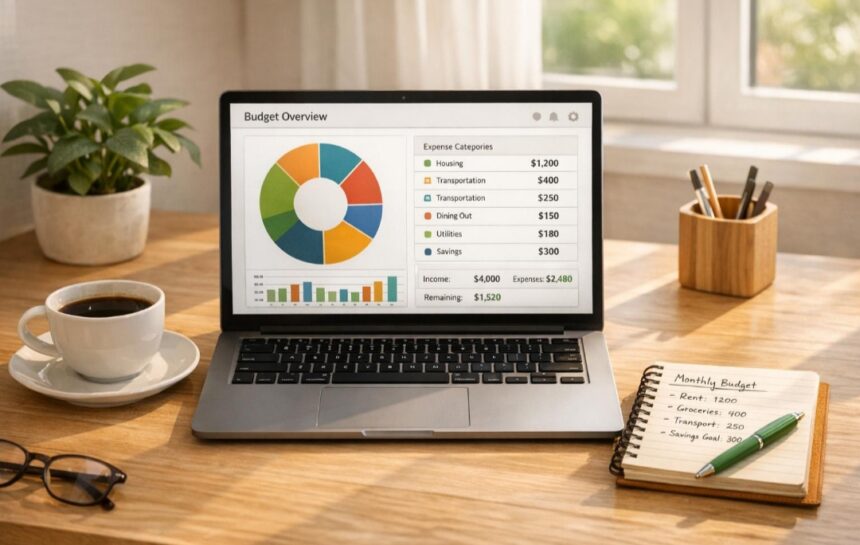
Managing money becomes easier when you have the right tools to track expenses, plan budgets, and monitor savings. Many people struggle with controlling spending because they do not have a clear view of where their money goess.
Using budget management tools free can help beginners, students, and families organize their finances without spending extra money.
In this guide, you will learn about free budget management tools, their features, benefits, and how to choose the right option.
What Are Budget Management Tools?
Budget management tools are resources that help you organize and control your finances.
These tools can help you:
- Track income and expenses.
- Create monthly budgets.
- Monitor savings goals.
- Analyze spending habits.
- Plan future financial goals.
Why Use Free Budget Management Tools?
Free budgeting tools can help you:
- Understand your spending patterns.
- Avoid unnecessary expenses.
- Improve saving habits.
- Stay organized financially.
- Make better money decisions.
Types of Free Budget Management Tools
- Budget Spreadsheet Templates
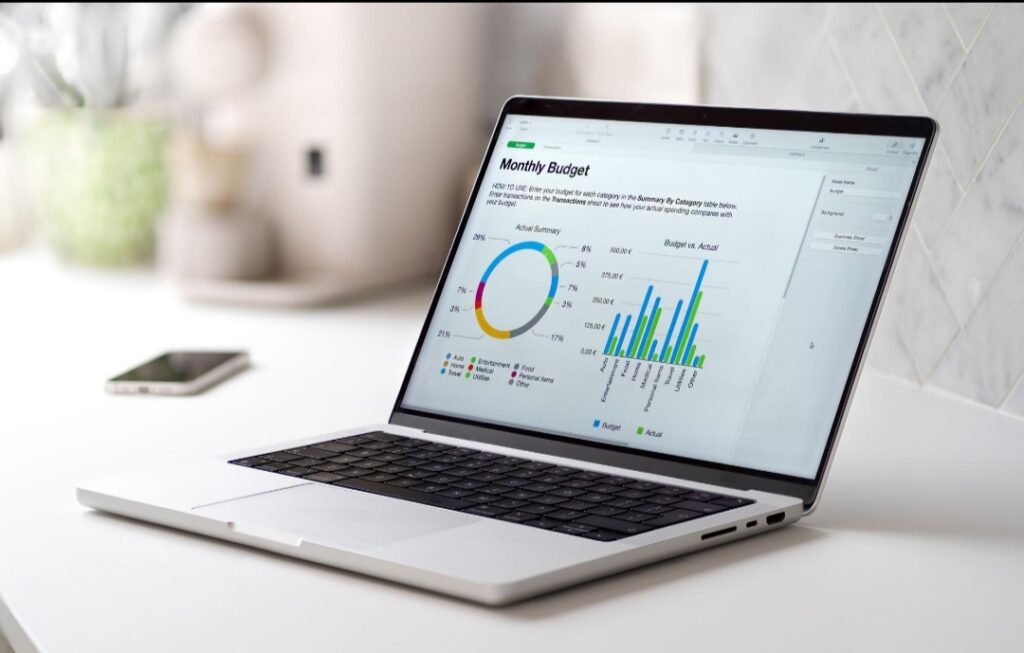
Spreadsheets are one of the simplest ways to manage money.
Examples:
- Monthly budget sheets
- Expense trackers
- Savings planners
Benefits:
- Easy to customize.
- Free to use.
- Gives full control over data.
2. Budgeting Apps
Budget apps can automatically organize your expenses and provide financial insights.
Common features:
- Expense tracking
- Category-wise spending
- Budget reminders
- Goal tracking
3. Expense Tracking Tools
These tools focus on recording daily spending.
Useful for tracking:
- Food expenses
- Transportation costs
- Shopping
- Bills
4. Online Budget Calculators
Budget calculators help estimate:
- Monthly spending
- Savings amount
- Financial goals
Best Features to Look For in Budget Tools
Expense Tracking
The tool should make it easy to record and categorize expenses.
Budget Planning
A good tool should help create realistic spending limits.
Savings Goal Tracking
Look for features that help you track goals like:
- Emergency fund
- Education savings
- Travel plans
Simple Interface
Beginners should choose tools that are easy to understand.
Security
Always check privacy and security features before adding financial information.
How to Choose the Right Budget Management Tool
- Identify Your Goal
Choose a tool based on your needs:
- Expense tracking
- Monthly budgeting
- Saving goals
- Debt management
2. Consider Ease of Use
A simple tool is more likely to become a daily habit.
- Check Available Features
Choose only features that are useful for your financial situation.
- Review Regularly
Update your budget and track progress consistently.
Free Budget Management Tools for Different Users
For Students
- Simple spreadsheets
- Expense trackers
- Basic budgeting apps
For Families
- Monthly budget planners
- Shared expense trackers
For Beginners
- Simple templates
- Manual tracking methods
Common Budget Management Mistakes
- Creating a budget but not tracking expenses.
- Choosing complicated tools.
- Not updating financial goals.
- Ignoring small expenses.
Frequently Asked Questions
1. Are free budget management tools useful?
Yes. Free tools can help you track spending, create budgets, and develop better financial habits.
2. Which budget tool is best for beginners?
Simple spreadsheets and easy-to-use budgeting apps are usually best for beginners.
3. Can students use free budget tools?
Yes. Students can use them to manage pocket money, expenses, and savings goals.
Conclusion
Using budget management tools free can make money management easier and more organized. Whether you prefer spreadsheets, apps, or online tools, the right budgeting system can help you control expenses, save more, and achieve your financial goals.
The best budget management tools free help you build better money habits without spending extra. By tracking your income, expenses, and savings regularly, you can stay organized and make smarter financial decisions every month.
Choose a tool that matches your needs and use it consistently. Even a simple budgeting app or spreadsheet can improve your financial planning, reduce unnecessary spending, and help you achieve your short-term and long-term money goals.